Winter in Allen can bring frigid temperatures that pose a significant risk to your plumbing. Insulating your pipes is a crucial step to prevent freezing, which can lead to costly repairs and water damage. This guide will walk you through effective methods to insulate your pipes and protect your home this winter.
Understanding the Importance of Pipe Insulation
In Allen, where winters can drop below freezing, uninsulated pipes are susceptible to freezing. When water inside pipes freezes, it expands, potentially causing pipes to burst. This not only leads to immediate plumbing issues but can also cause extensive water damage to your home. By taking proactive measures to insulate pipes, you can avoid these costly problems.
Best Materials for Insulating Pipes
Choosing the right insulation material is vital for effective protection. Here are some common options:
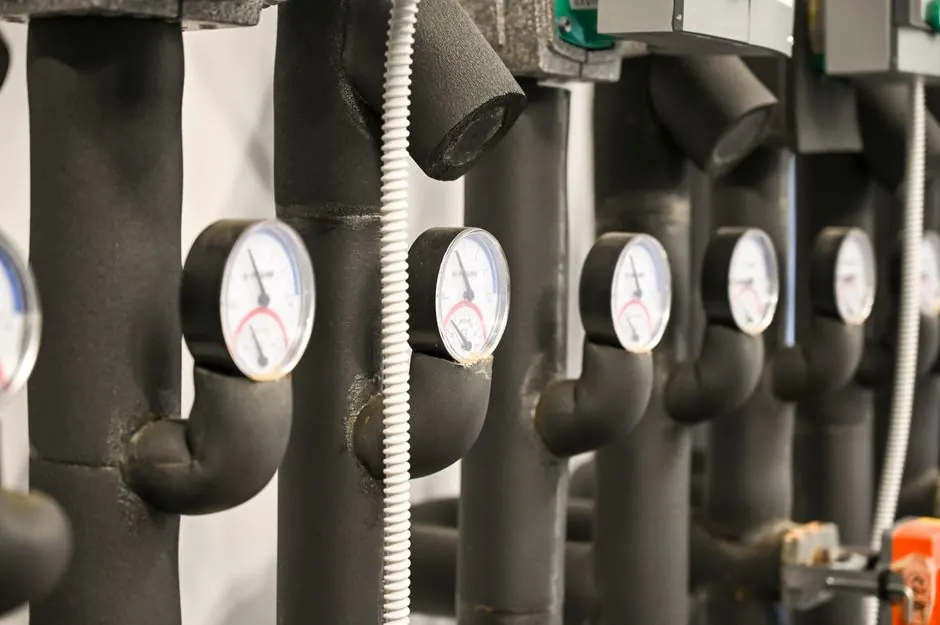
- Foam Pipe Insulation: This is one of the most popular choices due to its ease of installation and effectiveness. It comes in pre-slit tubes that can easily fit over existing pipes.
- Rubber Insulation: Similar to foam, rubber insulation is durable and can withstand extreme temperatures.
- Reflective Foil Insulation: This type is useful for hot water pipes, reflecting heat back into the pipe.
- Heat Tape: For particularly vulnerable areas, heat tape can be wrapped around pipes to provide additional warmth.
Step-by-Step Guide to Insulating Your Pipes
Follow these steps to effectively insulate your pipes:
- Identify Vulnerable Pipes: Locate pipes in unheated areas such as basements, attics, and exterior walls.
- Clean the Pipes: Ensure the pipes are clean and dry before applying insulation.
- Measure the Pipes: Measure the length and diameter of the pipes to purchase the correct amount of insulation.
- Apply Insulation: Cut the insulation to size and wrap it around the pipes, securing it with tape or adhesive as needed.
- Seal Gaps: Use caulk or foam to seal any gaps where cold air can enter, especially around pipe penetrations in walls.
Allen Pipe Insulation Tips
Given the local climate in Allen, here are some specific tips:
- Consider insulating both hot and cold water pipes to maintain temperature and efficiency.
- Pay extra attention to areas prone to drafts, such as near windows and doors.
- In older homes, check for any signs of wear or damage to pipes before insulating.
Common Mistakes to Avoid
When insulating your pipes, be mindful of these common pitfalls:
- Skipping Insulation: Many homeowners overlook unexposed pipes, which can still freeze.
- Using Inadequate Materials: Ensure the insulation material is appropriate for your specific climate conditions.
- Neglecting Ventilation: Proper ventilation is essential; otherwise, moisture can build up and lead to mold.
When to Call a Professional
If you feel overwhelmed by the task of insulating your pipes, or if you discover existing damage, it may be time to call in the experts. An Earth Friendly plumbing offers emergency plumbing services in Allen to address any urgent issues and can assist with proper pipe insulation.
Frequently Asked Questions
What are the best ways to insulate pipes in Allen? The best methods include using foam pipe insulation, rubber insulation, and heat tape. These materials provide effective protection against freezing.
How can I prevent my pipes from freezing in Allen? Insulate exposed pipes, seal gaps in walls, and keep the thermostat consistent during cold spells. Consider running a trickle of water to keep pipes flowing.
What is the cost of pipe insulation in Allen? The cost can vary based on the materials used and the complexity of the installation. On average, homeowners can expect to spend between $1 and $3 per linear foot.
Can I insulate my pipes myself? Yes, many homeowners can insulate their pipes themselves with the right materials and tools. However, for complex plumbing systems, hiring a professional is advisable.
When should I call a professional for pipe insulation? If you notice any signs of damage or if you feel uncertain about the insulation process, it's best to consult with a professional plumber.